📞 +91 7772829377
Upto 45% OFF on Bulk Purchase
🔍 Search for Arduino, Sensors, Kits... ➜
⚡ 1Amyi

👤 MY ACCOUNT

👤 My Account ❤️ My Wishlist 🛒 My Cart 0
Home Bulk Order Shop
All Categories ▼
About Us Track Order Contact Us 3D Printing Design
Log in Register
Previous
Previous Product Image

300W DC-DC Step-Down 10A Buck Converter | 10A High-Power Adjustable Voltage Regulator | 6-40V to 1.2-36V Module for Arduino, DIY & Power Supply Projects

Original price was: ₹240.00.Current price is: ₹199.00.
Next

1800KV A2212/8T BLDC Brussless DC Drone Motor

Original price was: ₹520.00.Current price is: ₹399.00.
Next Product Image
Sale!
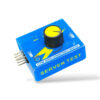
Servo Tester for ESC
1Amyi Assured

Servo Tester for ESC

(0 customer reviews)
₹210.00 ₹135.00 -36%
BUY NOW
Delivery by: Tomorrow, 28 Oct
🚚 Free Shipping on orders over ₹500
💵 Cash on Delivery Available
🔄 7 Days Easy Return
100% Secure Payments | UPI, Cards, NetBanking

Product Description

Specification

  • Operating Voltage : 4V to 6V
  • 3 Modes to Check Servos or ESC

Description

A servo tester is a device used to test and calibrate servo motors, commonly employed in various applications such as robotics, radio-controlled (RC) vehicles, and other automated systems. Servo motors are essential components in these systems, providing precise control of angular or linear movement.

The primary function of a servo tester is to send a control signal to the servo motor and observe its response. This allows users to verify that the servo motor operates correctly, ensuring it moves smoothly and accurately to the desired position. Servo testers are particularly useful during the setup and tuning of servo systems, as they help optimize the performance of the motors.

Key features of a typical servo tester include:

  1. Adjustable Pulse Width: Servo motors are typically controlled by a pulse-width modulation (PWM) signal. Servo testers allow users to adjust the pulse width to determine the motor’s response at different positions.
  2. Manual Control: Some servo testers come with manual control knobs or buttons that enable users to manually move the servo motor to specific positions. This feature is valuable for fine-tuning and troubleshooting.
  3. Neutral Position Adjustment: The neutral position is the center or default position of the servo motor. A servo tester allows users to set and adjust this neutral position as needed.
  4. Voltage and Current Monitoring: Some advanced servo testers include features to monitor voltage and current levels, providing insights into the power consumption and health of the servo motor.
  5. Compatibility with Various Servo Types: Servo testers are designed to work with a range of servo motors, making them versatile tools for individuals working with different types of robotics or RC systems.
  6. LCD Display: Many servo testers come equipped with an LCD display that shows the current pulse width, making it easier for users to monitor and adjust settings.
  7. Portability and Ease of Use: Servo testers are often compact and easy to use, making them convenient for on-the-go testing or field applications.

Using a servo tester typically involves connecting it to the servo motor and power source, adjusting the settings to test specific parameters, and observing the motor’s response. This iterative process helps users fine-tune the servo motor for optimal performance in their particular application.

📍 Check Delivery

Enter your pincode to check estimated delivery date.

✅ Delivery available by Tomorrow!

🏷️ Available Offers

10% Instant Discount

Use code: WELCOME10

Free Shipping

On orders above ₹500.

📏 Product Specifications

Product Name: Servo Tester for ESC

SKU:

Category:

Price: Original price was: ₹240.00.Current price is: ₹199.00.

Availability: In Stock

Servo Tester for ESC

Original price was: ₹210.00.Current price is: ₹135.00.

Category:

Description

Specification

  • Operating Voltage : 4V to 6V
  • 3 Modes to Check Servos or ESC

Description

A servo tester is a device used to test and calibrate servo motors, commonly employed in various applications such as robotics, radio-controlled (RC) vehicles, and other automated systems. Servo motors are essential components in these systems, providing precise control of angular or linear movement.

The primary function of a servo tester is to send a control signal to the servo motor and observe its response. This allows users to verify that the servo motor operates correctly, ensuring it moves smoothly and accurately to the desired position. Servo testers are particularly useful during the setup and tuning of servo systems, as they help optimize the performance of the motors.

Key features of a typical servo tester include:

  1. Adjustable Pulse Width: Servo motors are typically controlled by a pulse-width modulation (PWM) signal. Servo testers allow users to adjust the pulse width to determine the motor’s response at different positions.
  2. Manual Control: Some servo testers come with manual control knobs or buttons that enable users to manually move the servo motor to specific positions. This feature is valuable for fine-tuning and troubleshooting.
  3. Neutral Position Adjustment: The neutral position is the center or default position of the servo motor. A servo tester allows users to set and adjust this neutral position as needed.
  4. Voltage and Current Monitoring: Some advanced servo testers include features to monitor voltage and current levels, providing insights into the power consumption and health of the servo motor.
  5. Compatibility with Various Servo Types: Servo testers are designed to work with a range of servo motors, making them versatile tools for individuals working with different types of robotics or RC systems.
  6. LCD Display: Many servo testers come equipped with an LCD display that shows the current pulse width, making it easier for users to monitor and adjust settings.
  7. Portability and Ease of Use: Servo testers are often compact and easy to use, making them convenient for on-the-go testing or field applications.

Using a servo tester typically involves connecting it to the servo motor and power source, adjusting the settings to test specific parameters, and observing the motor’s response. This iterative process helps users fine-tune the servo motor for optimal performance in their particular application.

Reviews

There are no reviews yet.

Only logged in customers who have purchased this product may leave a review.

Shopping cart

0
image/svg+xml

No products in the cart.

Continue Shopping